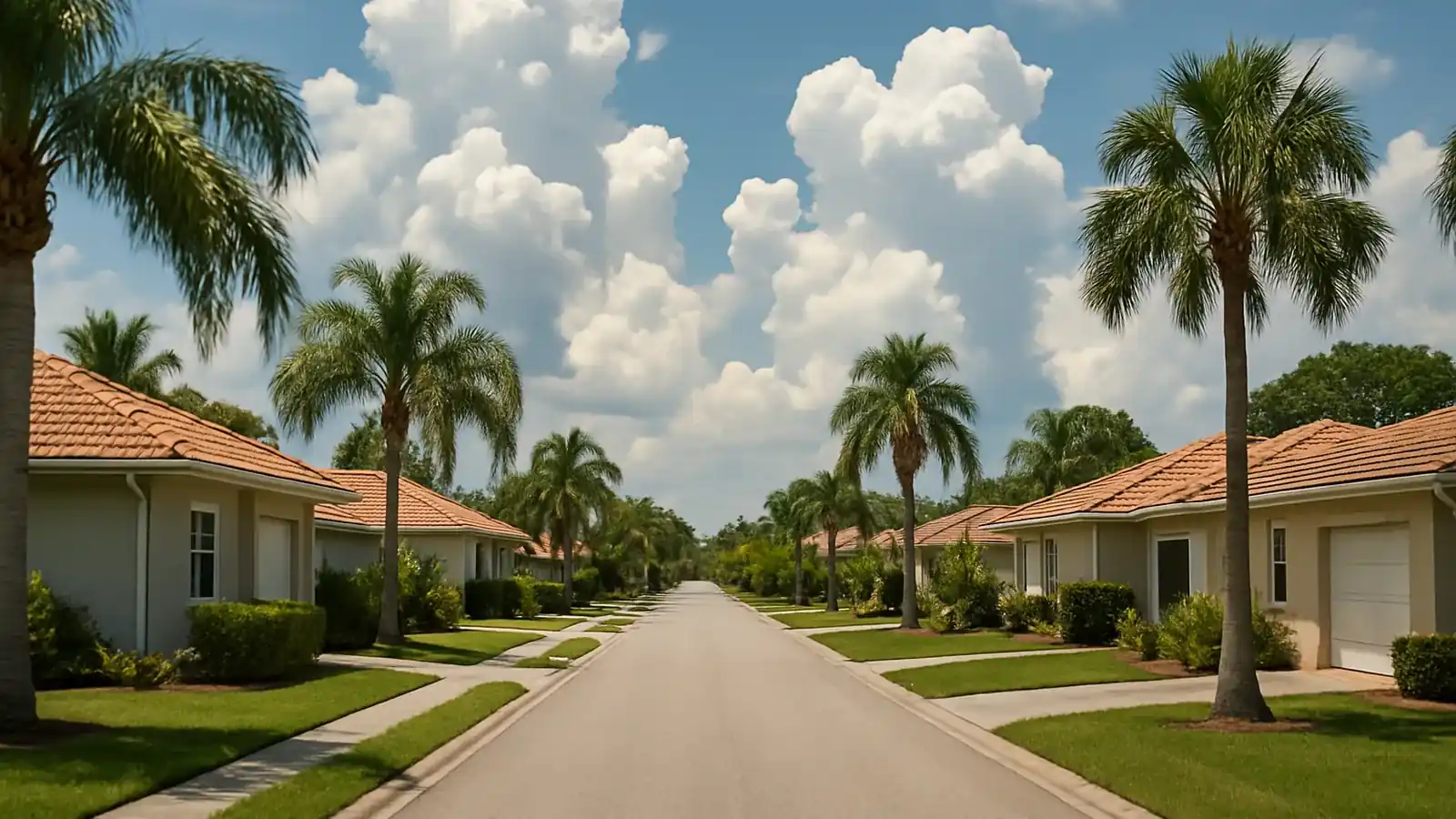
Longboat Key mold work usually costs between $500 and $6,000, depending on how far growth has spread and whether materials have to come out. With roughly 49 inches of rain a year and a humid June-to-September wet season, a closed-up unit stays damp unless something removes the moisture. Ask whether the inspection has a fee when the specialist calls.
Seasonal vacancy at the high end
Longboat Key spans the Sarasota and Manatee county line and carries a heavily seasonal population in higher-value homes and condominiums. That combination produces the market's most expensive preventable problem: substantial properties sitting closed through the wet season, and when moisture control fails in a home with extensive millwork, wood floors, upholstered furnishings, and art, the loss reaches well beyond drywall.
The prevention is the same as anywhere else and the stakes are simply higher: leave the system running rather than off, hold indoor relative humidity under about 60 percent with a humidistat or a dedicated dehumidifier, and have someone physically check the property during the summer. A failed compressor in July is a manageable repair if it's found in July.
Remediation around finishes that matter
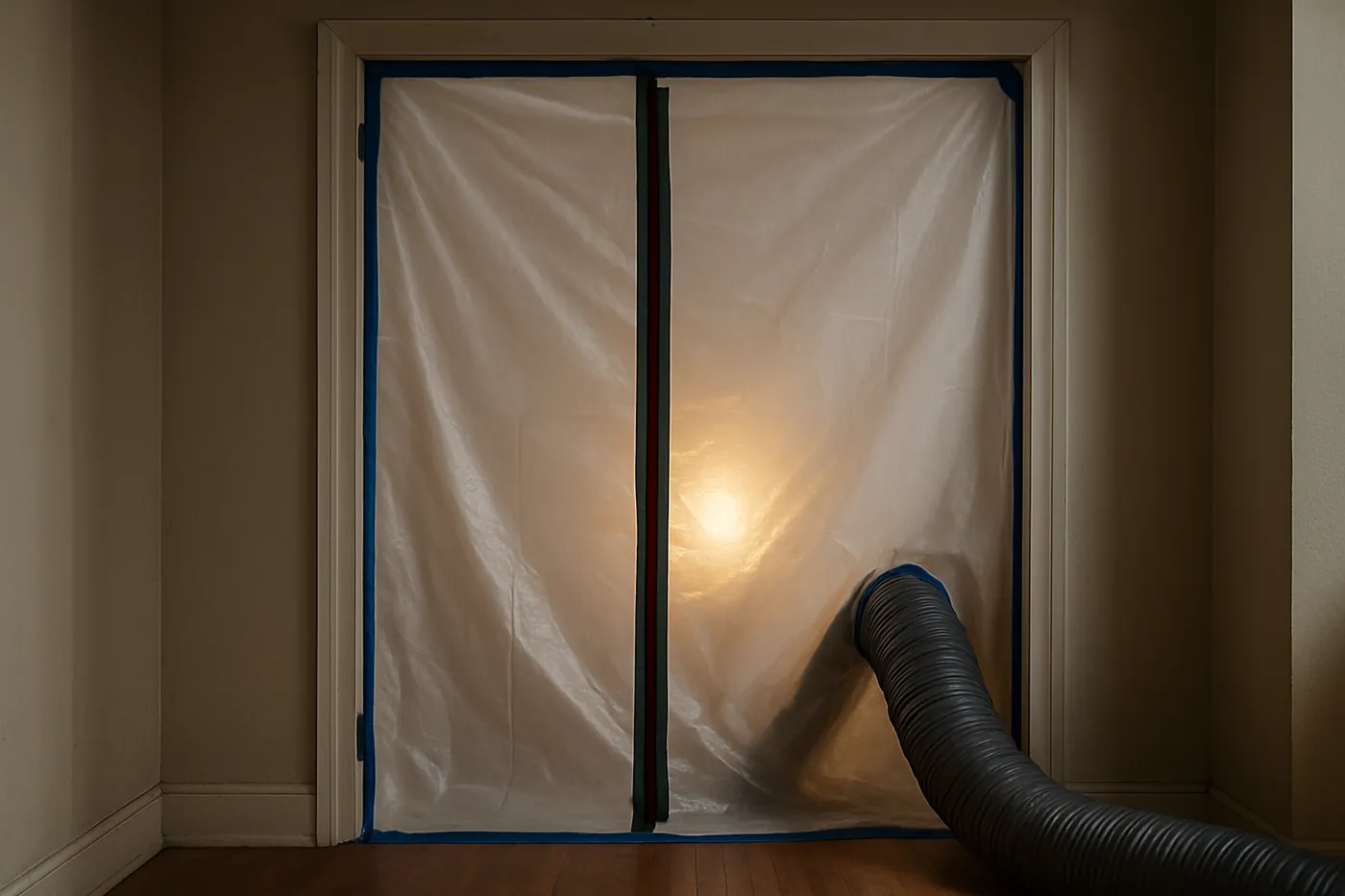
Careless remediation in a home like this costs more than the mold did. Work here gets sequenced to protect what's staying: containment planned around the finishes rather than through them, removal limited to what the moisture readings actually justify, and reconstruction matched rather than approximated. A good scope names those protections before work begins, and names what won't be opened based on the readings taken.
Condo boundaries and who pays
A large share of the island is multi-family, and in a condominium the source of moisture and the responsibility for it are separate questions. Water can arrive from a unit above, a shared stack, a building envelope element, or a common-area system, and association documents rather than plumbing determine who pays. A good inspection documents where the moisture originates and which side of the association boundary it falls on, because unit owners routinely get billed for problems that were never theirs.
Two counties, one island
Longboat Key crosses a county line, which occasionally matters for permitting on reconstruction work. Ask the specialist which jurisdiction applies to your address and to name it in the scope, rather than leaving you to discover it at inspection.
Asked in Longboat Key
We're away all summer. What's the minimum we should do?
Three things: leave the AC running rather than off, add a humidistat or dedicated dehumidifier holding indoor relative humidity under about 60 percent, and arrange for someone to physically check the property during the season. A compressor that fails in July is a repair if it's found in July and a remediation if it isn't.
We have extensive millwork and wood floors. Can the work go around them?
That's the standard approach here. Containment gets planned around finishes rather than through them, removal is limited to what moisture readings actually justify, and reconstruction is matched rather than approximated. A good scope names those protections, and what won't be opened, before work begins.
Who pays in a condo, us or the association?
It depends on where the moisture originates and what your association documents say, and those are separate questions from the plumbing. Ask the specialist to document the source and which side of the association boundary it falls on, because unit owners routinely get billed for problems that were never theirs.
Longboat crosses a county line. Does that affect the work?
Occasionally, on permitting for reconstruction. Ask the specialist which jurisdiction covers your address and to state it in the scope, rather than leaving you to find out at inspection. The remediation itself is the same either way.
The island's housing, counted
The Town of Longboat Key has about 9,900 housing units in the 2020-2024 American Community Survey, and the median was built in 1980. The 1970s (35%) and 1980s (25%) account for most of them, and only about 7% date from 2000 or later. Nearly 94% of occupied units are owner-occupied. Wherever a unit sits empty for part of the year, the seasonal-vacancy pattern above applies.
What the town says about storm-damaged walls
Longboat Key's post-storm permitting page says removing drywall or doing exploratory work after storm damage requires a permit application at the Planning, Zoning and Building counter, followed by a plan revision with costs once the scope is known. Owners may make temporary emergency repairs without a permit, such as opening walls or ceilings to drain floodwater. In flood zones A, AE and VE, an elevation certificate is required, and the 50% substantial damage and improvement rules apply.
The Building Division's general rule
The town's Building Division says permits are required under Town Code Section 150.30, with minor work exempted, but even minor work below the base flood elevation, or on a building that does not meet FEMA rules, may need a tracking permit. Ask the Building Official at 941-316-1966, extension 2521.
The specialist who calls back should measure before pricing. See the cost guide or the full service list.
Get a Sarasota mold inspection
Tell us what you’re seeing or smelling: a musty room, staining on a wall base, discoloration in the AC closet, humidity that never drops. We pass your request to one local specialist serving Sarasota, who calls you back to set up an inspection.