
Most Osprey mold work lands between $500 and $6,000, set by how far growth spread and whether materials must be removed. Roughly 54 inches of annual rain and a humid June-to-September wet season keep indoor moisture high unless something is actively removing it. The inspection is free.
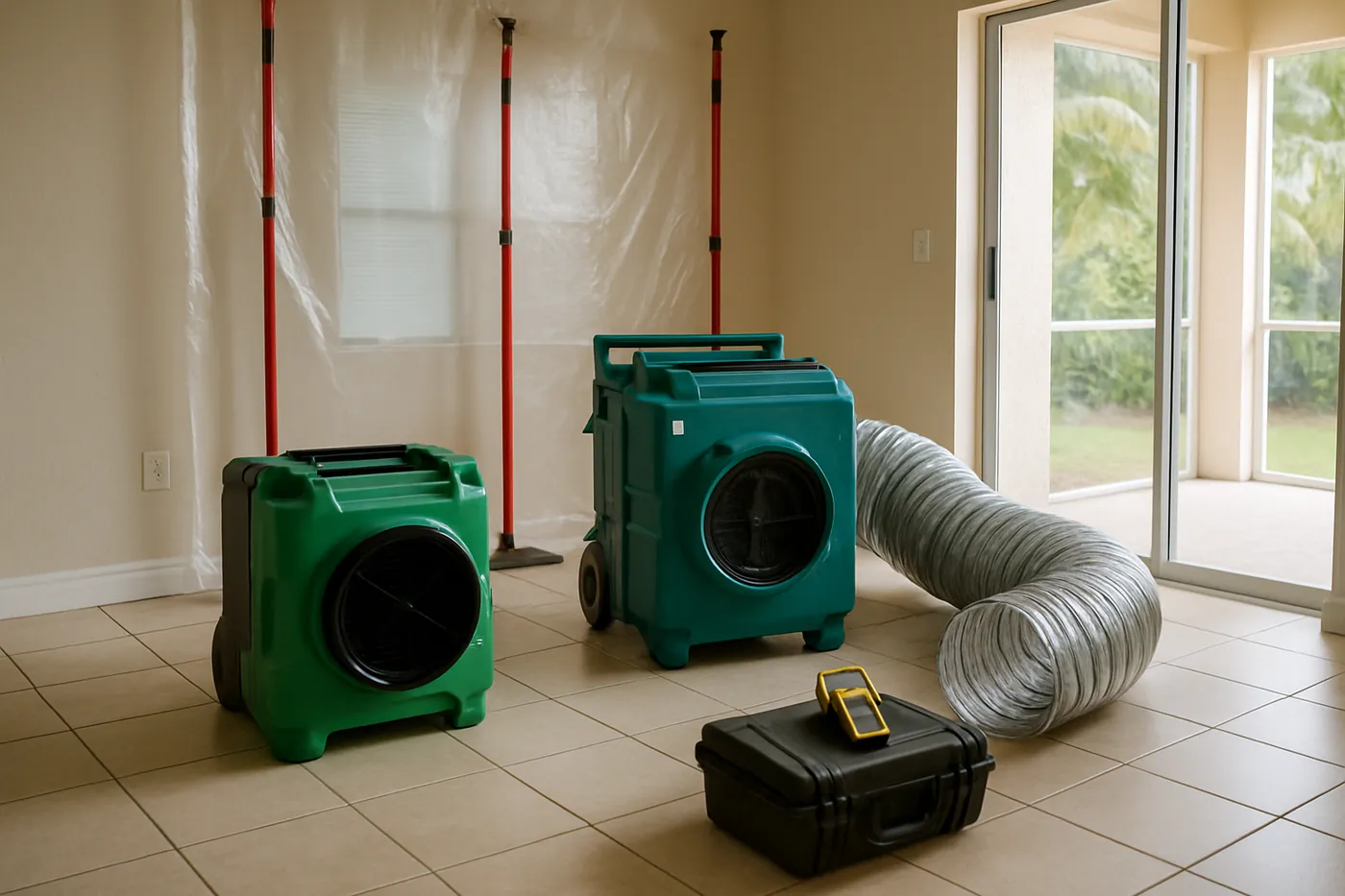
Bayfront exposure, small-community scale
Osprey sits along Little Sarasota Bay between Sarasota and Venice, and its waterfront character shapes the moisture profile. Bay-adjacent properties carry sustained ambient humidity, salt air that degrades AC coils and condensers faster than inland equipment, and exposure to wind-driven rain that finds its way through window and door assemblies during storms.
Salt-accelerated equipment wear is worth naming specifically, because it produces a mold problem by an indirect route. A corroded coil transfers heat poorly, which means the system runs less effectively, which means it removes less moisture from the air. The homeowner notices the cooling before the dehumidification — but the humidity is what grows something.
Mixed occupancy, mixed risk
Osprey carries a mix of year-round residents and seasonal owners, and the two need different advice. Year-round homes are mostly an equipment-condition question: is the system actually dehumidifying, or just cooling? Seasonal homes are a vacancy question: what runs while nobody is here? An inspection here starts by asking which one you are, because it changes the entire recommendation.
Older Florida homes on quiet lots
The community includes a stock of older Florida houses on generous, heavily vegetated lots. Mature landscaping close to a structure holds moisture against walls, shades surfaces so they stay damp longer after rain, and blocks the airflow that would otherwise dry them. Trimming back vegetation from the building line is one of the least expensive moisture corrections available, and it turns up on Osprey scopes more than anywhere else we work.
Asked in Osprey
Does salt air really cause mold?
Indirectly, and it's a real path. Salt corrodes AC coils and condenser fins, which degrades heat transfer, which reduces how much moisture the system pulls from the air. Homeowners notice reduced cooling first, but the humidity is what grows something. On bayfront lots we check equipment condition as part of the inspection.
Our lot is heavily wooded. Does that matter?
It does. Mature landscaping close to a structure holds moisture against walls, shades surfaces so they stay damp after rain, and blocks the airflow that would dry them. Trimming vegetation back from the building line is one of the cheapest moisture corrections available and turns up on Osprey scopes often.
We're here half the year. What's the priority?
Vacancy management, which is a different recommendation than a year-round house gets. Keep the system running while you're away, hold indoor humidity under about 60 percent with a humidistat or dehumidifier, and have someone check the property during the summer. That's most of the risk handled.
What does an inspection cost in Osprey?
Nothing. Moisture readings by location, indoor humidity, air handler and drain line, bath fan terminations, exterior intrusion points, photographs, and a written scope with fixed line prices — free, including the visits that end with a dehumidifier recommendation.
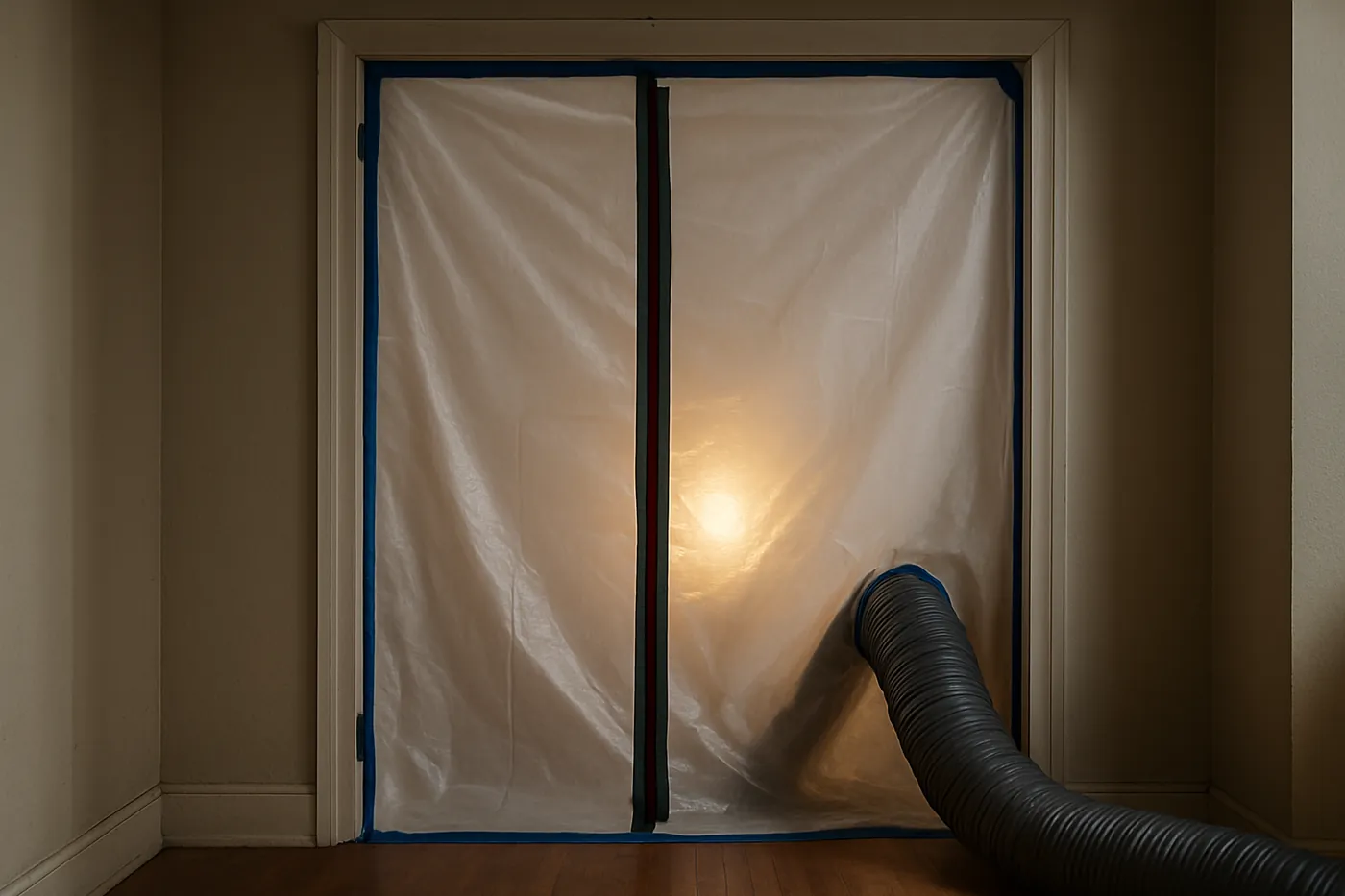
What happens after you call
We measure Osprey homes before pricing them: moisture readings by location, indoor humidity, the air handler and drain line, bath fan terminations, and exterior intrusion points. You get a written scope with fixed line prices — and an honest "you need a dehumidifier, not remediation" when that's what the numbers say. See the cost guide or the full service list.
Get a free Sarasota mold inspection
Tell us what you’re seeing or smelling — a musty room, staining on a wall base, discoloration in the AC closet, humidity that never drops — and we’ll schedule an inspection with moisture readings and photos. We reply the same business day.