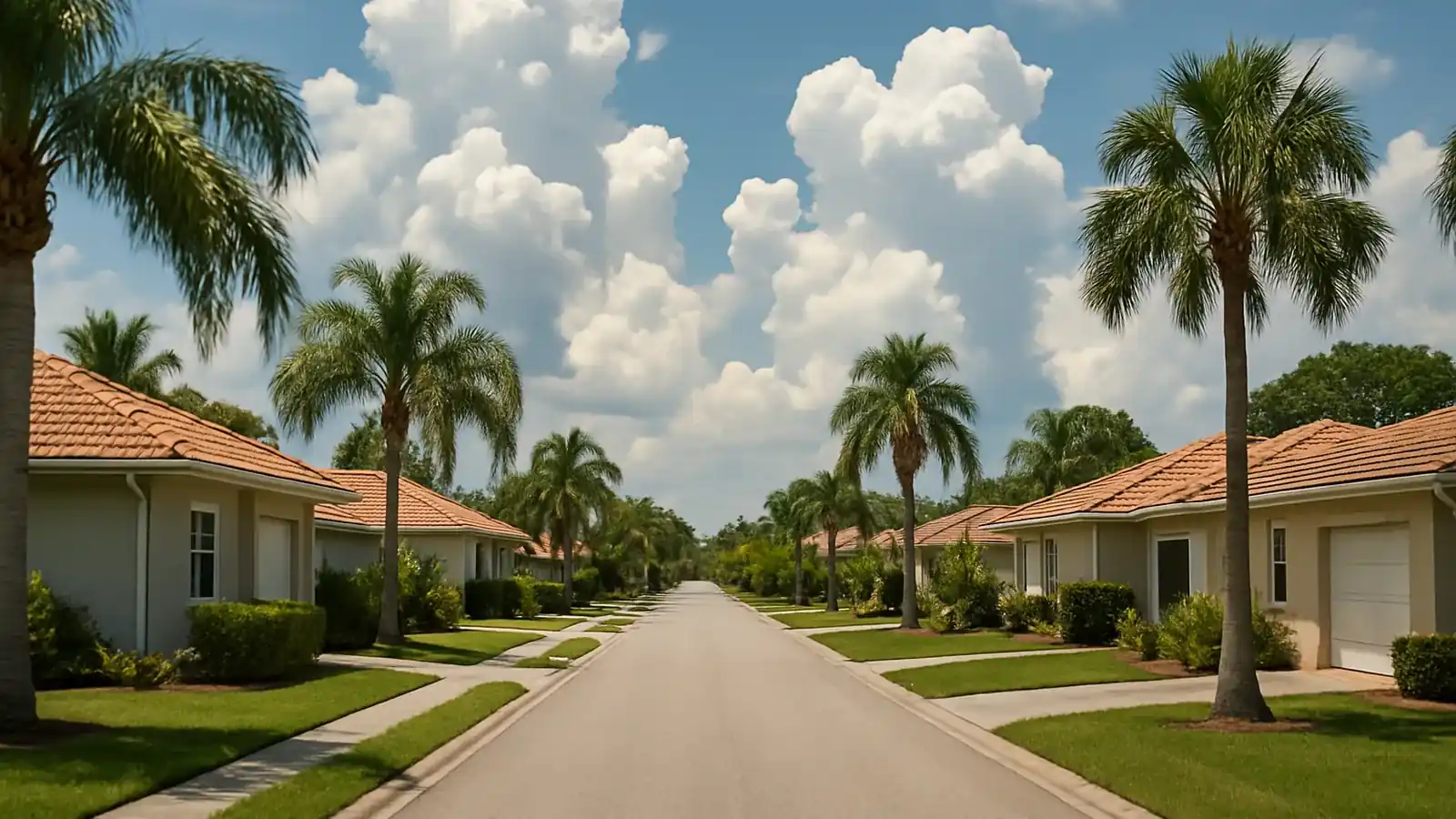
On Siesta Key, most mold remediation costs $500–$6,000, and testing, when it is really warranted, starts near $300. Indoor humidity that sits above about 60 percent between rental stays is the usual mechanism, so an inspection should measure it before anyone quotes removal.
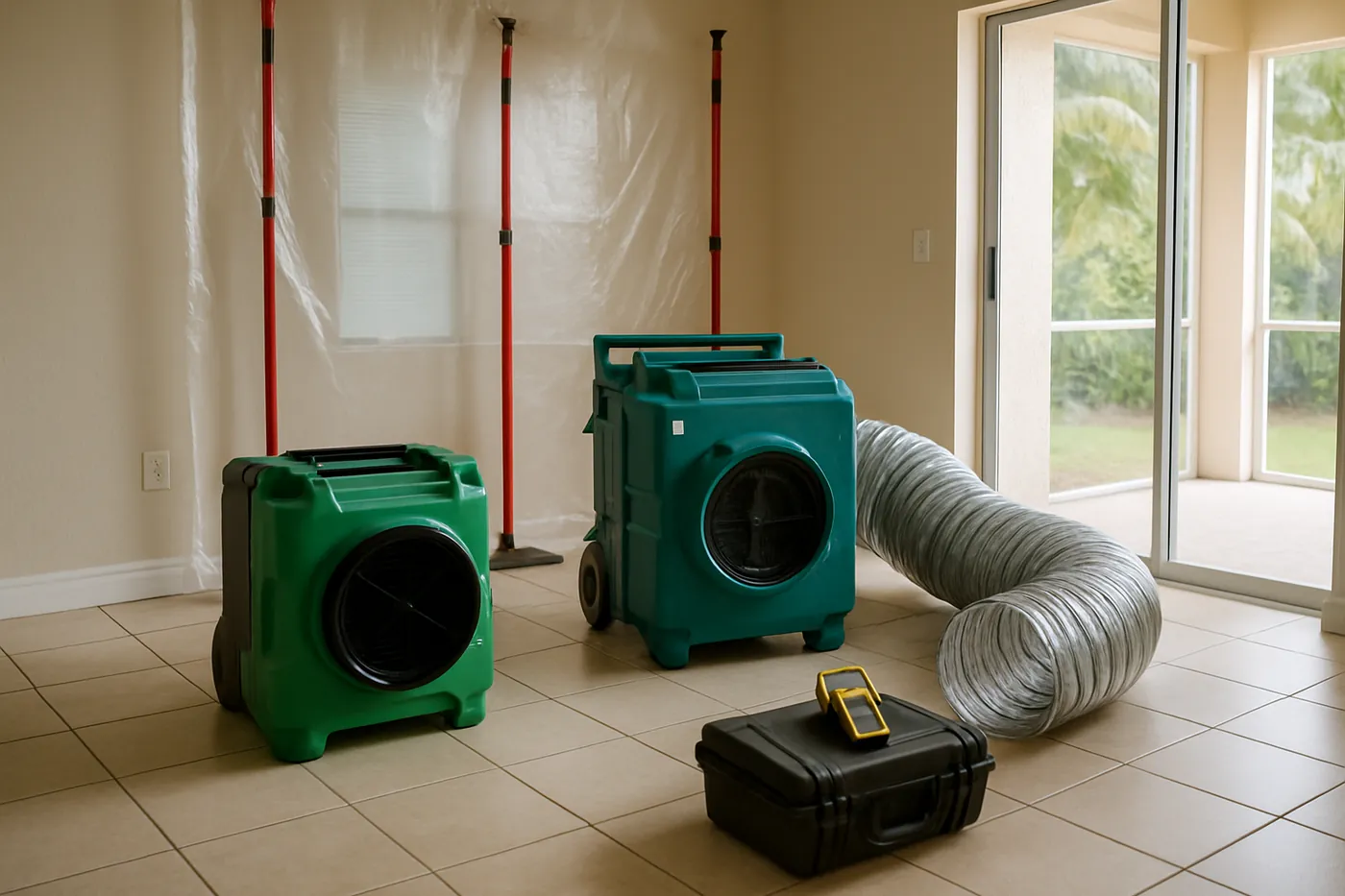
Vacation rentals are a mold pattern, not just a business model
Siesta Key is one of the most heavily rented barrier islands on this coast, and short-term rental turnover produces a specific, repeating moisture failure. A unit is occupied and conditioned for a week, then sits empty. During the gap, the thermostat frequently goes off or up to save electricity, and in the wet season, a few unconditioned days is enough for humidity to climb and stay climbed.
Repeat that cycle across a summer and you get growth in closets, behind furniture, on the backs of headboards, and in the AC system itself. Guests report a musty smell, the owner airs it out, and the cycle continues until something visible appears. The fix is a management decision more than a construction one: hold the system in dehumidification mode between guests, use a humidistat or smart thermostat with a humidity setpoint, and target under about 60 percent relative humidity regardless of occupancy.
Island exposure: salt, surge, and wind-driven rain
Barrier island property takes the coast's full exposure. Salt air degrades AC coils and condensers faster than inland equipment, which quietly reduces dehumidification capacity. Storm surge and wind-driven rain reach assemblies that inland buildings never test. And island buildings often sit closer together with less airflow between them, so exterior surfaces stay damp longer.
None of that is a reason for alarm. It's a reason to inspect equipment condition and envelope penetrations as part of any mold assessment here, rather than assuming the problem starts indoors.
Condo units share more than a wall
Much of the island's housing is multi-family, and that changes the diagnosis. Moisture and mold in a condo can originate in a neighboring unit, in a shared plumbing stack or chase, or in common elements the association is responsible for rather than the owner. An inspection that stops at your walls can miss the source entirely, and it can leave you paying for a repair that isn't yours. A good report names where the moisture originates and on which side of the association line it sits, because that determination is worth real money to a unit owner.
Asked in Siesta Key
We rent our unit. How do we stop the musty smell between guests?
Stop letting it go unconditioned. Hold the system in a dehumidification setting between stays rather than switching it off: a humidistat or a smart thermostat with a humidity setpoint does this automatically. Target under about 60 percent relative humidity regardless of occupancy, and the cycle breaks.
The mold might be coming from the unit next door. What then?
That's worth establishing before you pay for anything. Moisture in a condo can originate in a neighboring unit, a shared plumbing stack or chase, or a common element the association is responsible for. Ask for a report that names where it originates and which side of the association line it falls on.
Is island property higher risk?
For moisture, somewhat. Salt air degrades AC equipment faster, buildings sit closer together with less drying airflow, and storm surge and wind-driven rain test assemblies inland buildings never face. None of it is alarming. It just means equipment condition and envelope penetrations belong in any island mold assessment.
Does a specialist come out to the key?
Yes. Siesta Key is part of this site's standard service area, and a local specialist calls you back to book the evaluation. Ask for any travel charge to be stated openly in the scope rather than buried as an island surcharge in the line items.
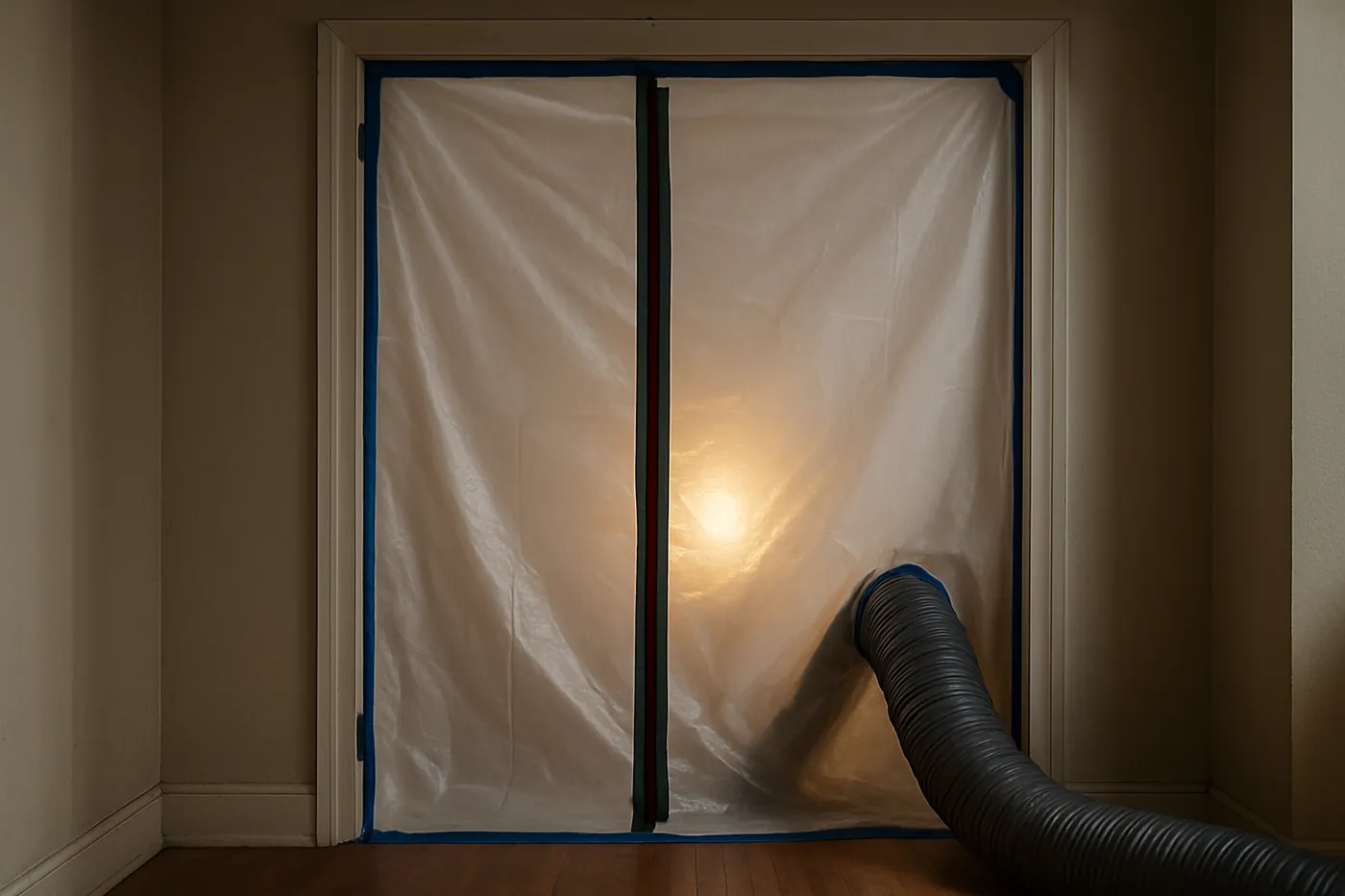
An island of 1970s buildings
The Siesta Key census-designated place has about 7,800 housing units in the 2020-2024 American Community Survey, with a median build year of 1976. The 1970s alone account for 39%, the 1960s for 20% and the 1980s for 20%; only about 8% date from 2000 or later. Around 93% of occupied units are owner-occupied. In any condo unit, the shared-wall section above applies.
Phillippi Creek and the island's drainage
USGS lists measurement sites on Phillippi Creek and Catfish Creek on the mainland side. Sarasota County's stormwater pages include a Siesta Key Drainage Improvements Study and a Phillippi Creek dredge project. Ask about the building's flood history and any past water intrusion before a mold scope is priced.
County permits for water-intrusion repairs
Siesta Key is unincorporated Sarasota County. The county's recovery page lists interior repair from water intrusion as its own alteration permit type, alongside demolition and AC change-outs, and quotes the county's Gulf Beach Setback Line rules for work on the seaward side. If mold removal means opening walls after water got in, expect the rebuild to need a county permit.
Read a hygrometer first, then book the inspection. Costs are itemized in the cost guide; nearby communities are under service areas.
Get a Sarasota mold inspection
Tell us what you’re seeing or smelling: a musty room, staining on a wall base, discoloration in the AC closet, humidity that never drops. We pass your request to one local specialist serving Sarasota, who calls you back to set up an inspection.