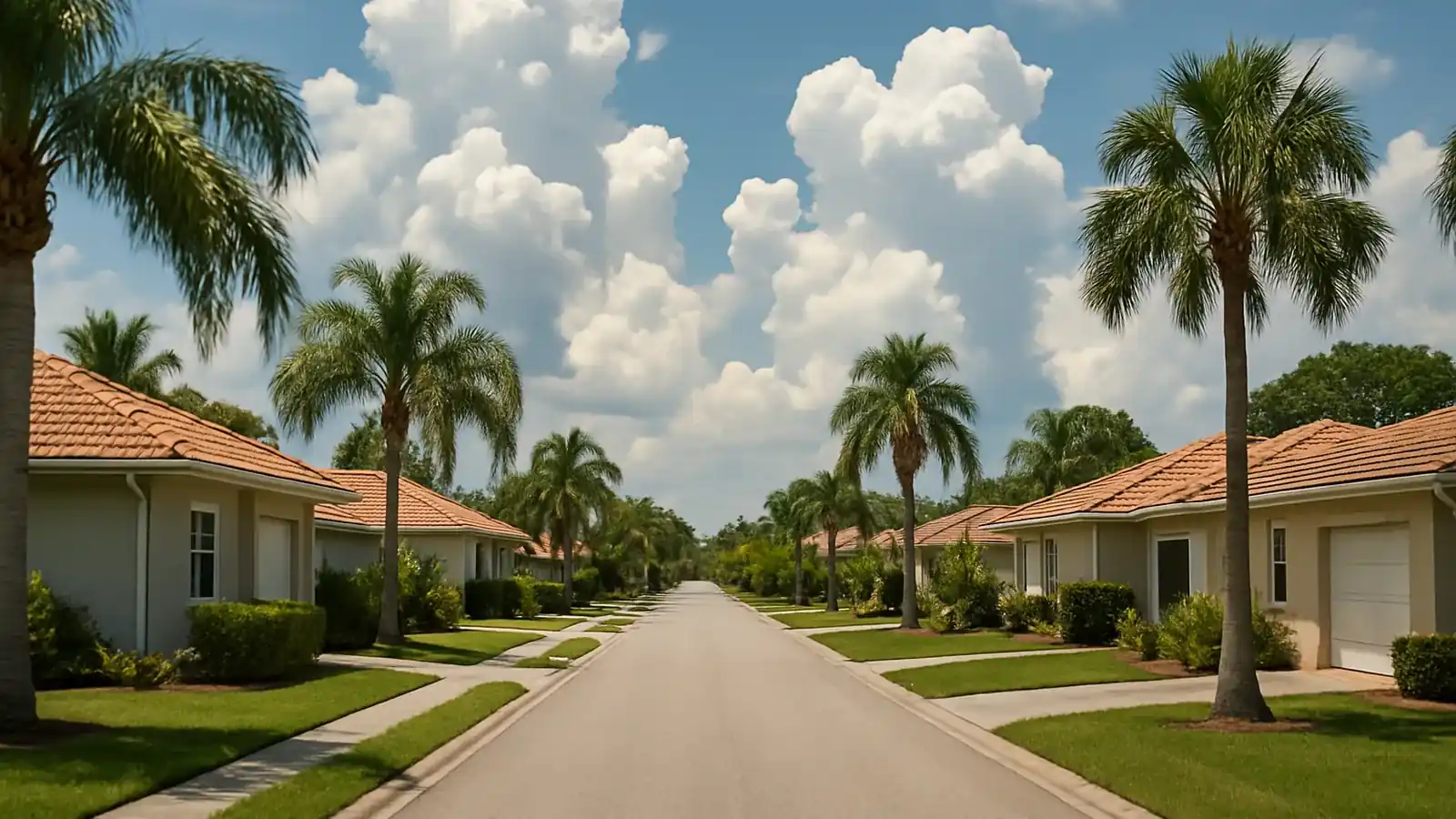
Venice homeowners typically pay $500–$6,000 for mold remediation, with testing from about $300 when it is genuinely needed. A house that holds indoor humidity above roughly 60 percent, often while the owner is away, is the usual cause, and the inspection should measure that first.
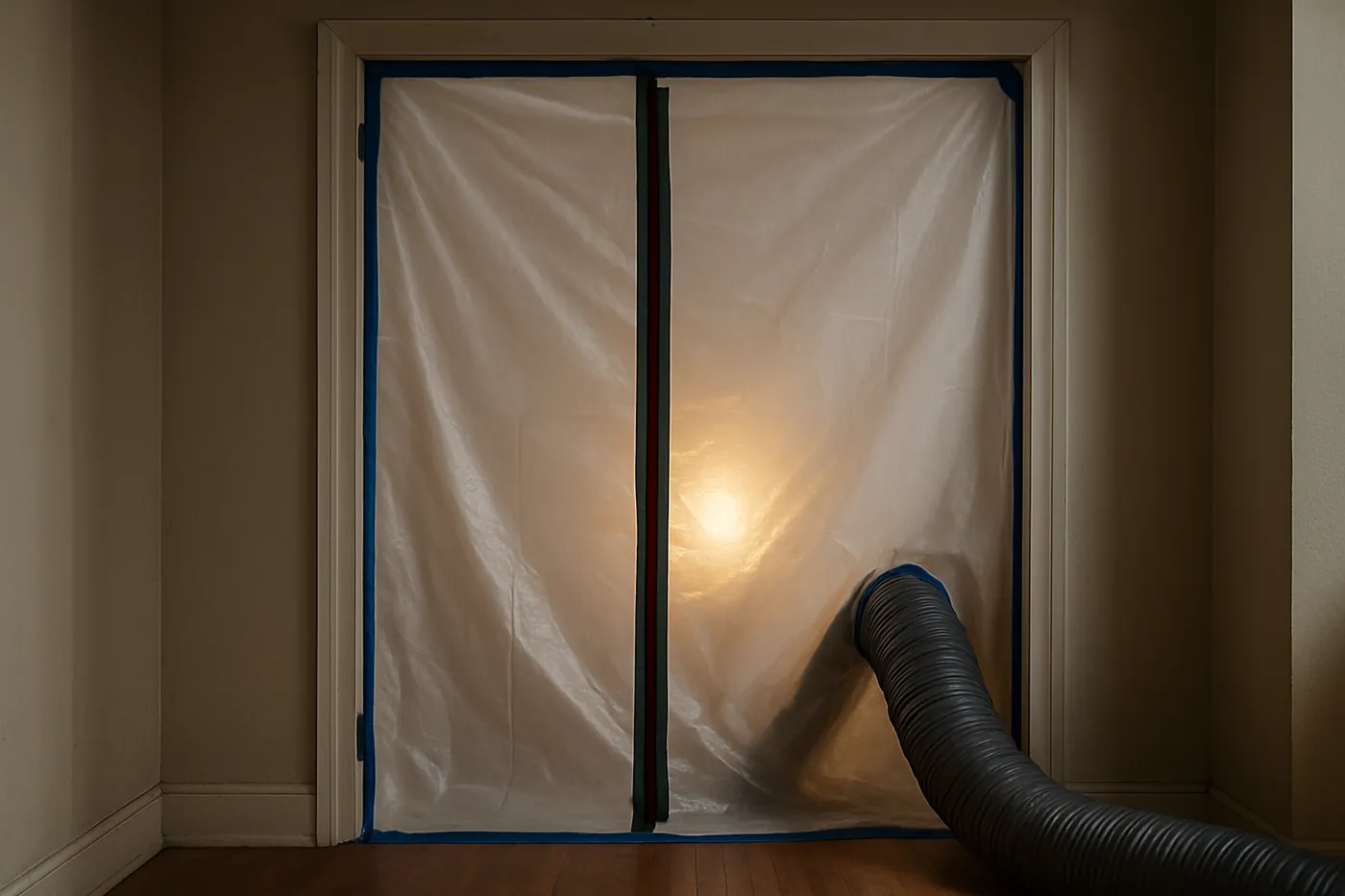
Seasonal occupancy is the local mold engine
Venice has one of the most seasonal populations in this service area, and that single fact drives most of the remediation needed here. A house closed up in April and reopened in November sits sealed through the entire June-to-September wet season (the four months when outdoor dew points stay high day and night) with, in too many cases, the air conditioning off or set so high it barely runs.
Nothing removes moisture during that stretch. Indoor humidity climbs and stays there, and by October there's surface growth on closet walls, leather, and upholstered furniture, plus a musty smell that has soaked into everything porous. Owners often describe it as "it happened while we were gone," which is exactly right, and it is almost entirely preventable.
What Venice owners should do before they leave
Leave the system running rather than off, commonly with the thermostat in the high 70s so it cycles through the season. Pair it with a humidistat or a standalone dehumidifier holding indoor relative humidity under about 60 percent. Have someone check the house periodically, because an AC failure in July only becomes a catastrophe if nobody notices until fall. That advice costs the trade work, and it is worth giving anyway, because the alternative is a remediation bill that dwarfs a summer of electricity.
A 1920s core with 1920s construction
The original planned town from the 1920s left Venice with a stock of older buildings, and those carry their own moisture profile: masonry that holds and releases moisture differently than modern assemblies, original window openings, and ventilation designed for an era before air conditioning existed. Remediation on those buildings gets scoped with that in mind rather than against a modern-construction template.
Asked in Venice
We close the house for the summer. What should we set the AC to?
Leave it running rather than off. A common approach is holding the thermostat in the high 70s so the system cycles through the wet season, paired with a humidistat or standalone dehumidifier keeping indoor relative humidity under about 60 percent. That combination prevents most of the remediation Venice homes need.
We came back in the fall to a musty house. Is everything ruined?
Usually not. Surface growth on hard surfaces cleans, and hard furnishings generally recover. What's often unsalvageable is porous material that absorbed months of humidity. Some upholstered pieces, mattresses, and paper goods. An inspection sorts salvageable from not before you throw anything away.
Can a dehumidifier alone protect a closed house?
It helps significantly, though pairing it with a running AC system is more reliable. A dehumidifier removes moisture regardless of whether cooling is called for, which closes the exact gap that a thermostat set high leaves open. Make sure it drains continuously rather than to a reservoir that fills and stops.
Our building is from the 1920s. Different approach?
A 1920s building takes a different approach. Masonry and older assemblies hold and release moisture differently than modern construction, and ventilation was designed for an era before air conditioning. A good specialist scopes those buildings against what they actually are rather than a modern template, and keeps original material wherever readings allow.
Venice's homes by the numbers
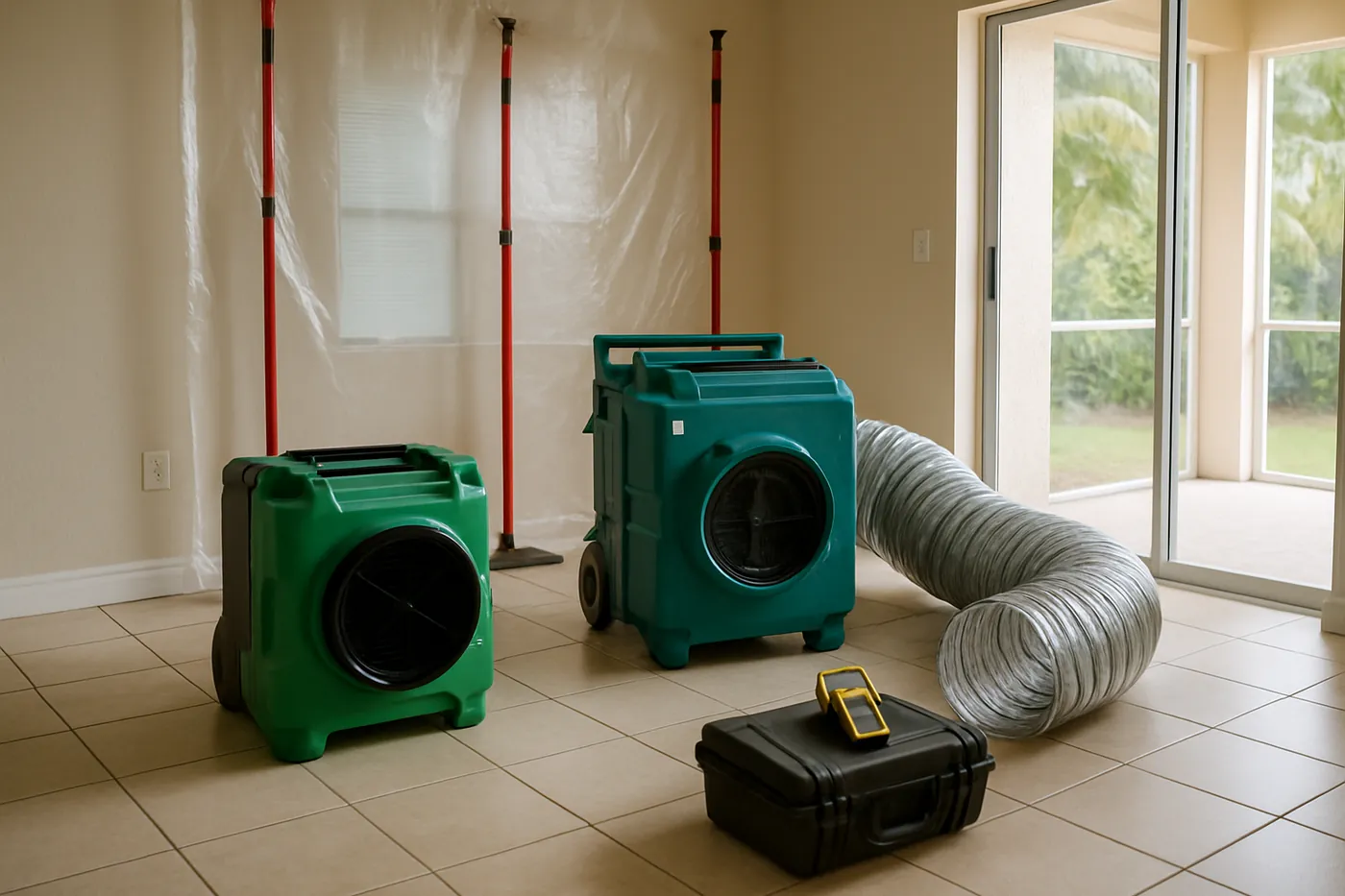
Venice has about 21,000 housing units in the Census Bureau's 2020-2024 survey, with a median build year of 1986. The 1970s were the largest decade (22%), and about 42% of homes predate 1980, yet some 7% were built since 2020. Roughly 80% are owner-occupied. A house closed up for the summer is the pattern described above.
Curry Creek and the flood rules
USGS gauges Curry Creek at U.S. 41 in Nokomis and lists sites on Alligator Creek and Salt Creek. Venice's floodplain page says homes in the Special Flood Hazard Area are subject to the 50% rule: when the cost of restoring or renovating a structure equals or exceeds half its pre-damage market value, including labor, current flood rules apply. The Florida Building Code adds one foot of freeboard to the base flood elevation.
Check with the Building Division first
The city asks owners to check with the Building Division before starting construction or changing grades, and to report unpermitted work at (941) 486-2626. A large mold repair in the flood zone can count toward the 50% total, so keep the scope and invoices.
Read a hygrometer first, then book the inspection. Costs are itemized in the cost guide; nearby communities are under service areas.
Get a Sarasota mold inspection
Tell us what you’re seeing or smelling: a musty room, staining on a wall base, discoloration in the AC closet, humidity that never drops. We pass your request to one local specialist serving Sarasota, who calls you back to set up an inspection.